

The Unbiblical Honor: Why We Should Call Her By Name, Not “First Lady”
I’m sure you’ve heard the introduction: “Please stand and welcome our esteemed First Lady!”
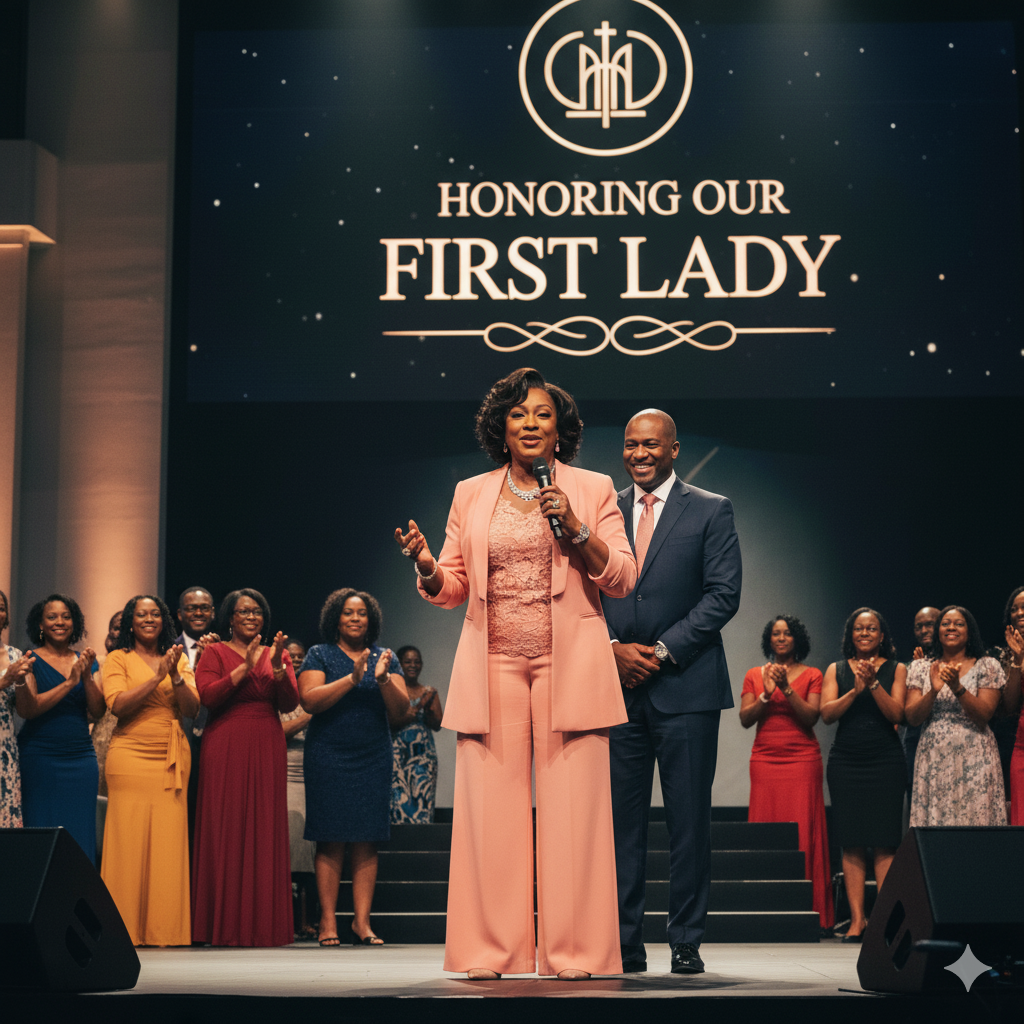
It’s a common moment in many churches today. When the pastor’s wife steps forward, she is often recognized with a title, a term of high honor, even a day of appreciation, meant to celebrate her partnership and ministry contributions.
But as Christians committed to following the authority of God’s Word (The Bible), we have to ask a foundational question: Does the Bible actually support the practice of calling a pastor’s wife the “First Lady” of the church?
Let’s explore the origins of the title and, more importantly, what Scripture truly says about honoring women in leadership.
The Title’s Origin: Secular, Not Scriptural
The practice of using the “First Lady” title for a pastor’s wife is born out of cultural honor, not biblical instruction.
1. Imported from Politics
The term was not developed in the early church; it was imported directly from the secular sphere, specifically from the common practice of referring to the spouse of a head of state (like the U.S. President).
- The Intent: The goal was to grant a similar title of distinction and high respect to the pastor’s wife, recognizing her as the spouse of the church’s leading figure. This cultural adoption, particularly popular in African American communities, was a way to formally recognize the often-central and active role the pastor’s wife plays in ministry and leadership.
2. A Lack of Biblical Precedent
When we look to the Bible, the foundational documents for the church are silent on this matter.
The New Testament clearly defines the offices and roles within the local church—primarily Elders/Overseers/Pastors and Deacons (See: 1Timothy 3:1-13 and Titus 1:5-9). The role or title of “First Lady” is not among them.
Furthermore, consider the most powerful and influential women in Scripture:
- Sarah (Abraham’s wife)
- Zipporah (Moses’ wife)
- Abigail (later David’s wife)
These women were essential, respected, and highly influential, yet they were never referred to by any special, designated ecclesiastical title. Their importance was acknowledged by their deeds, their faith, and their character, not by an artificial, organizational designation.
Scripture’s True Way to Exalt Women
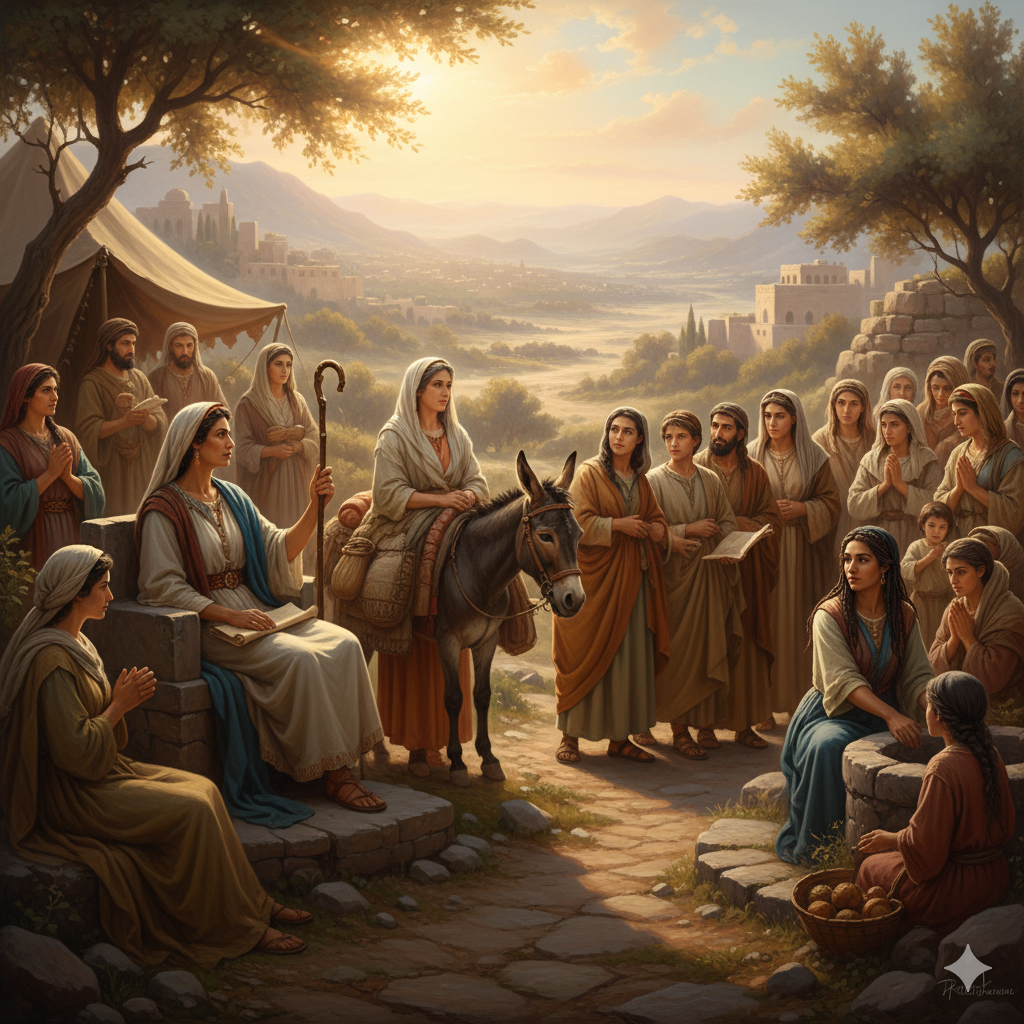
The absence of a “First Lady” title is not about diminishing the role of women. In fact, the Bible’s approach is a superior way to honor them, by recognizing their inherent value and contributions without relying on hierarchical titles.
1. Honored for Character, Not Position
Scripture sets the standard for leadership (and for all Christians) based on godly character and conduct. Wives of church leaders are given specific, high standards to meet, but those standards apply to their character, not a designated office.
As Paul instructs in his letter to Timothy regarding the wives of deacons:
“Their wives likewise must be dignified, not slanderers, but sober-minded, faithful in all things.“ (Timothy 3:11)
Their honor is earned through faithfulness in all things, not through a title conferred upon them by the congregation.
2. Leadership and Value are Not Defined by a Title
While women may have been mentioned less frequently in public leadership roles due to the cultural context of the time, the Bible shows that they were absolutely valued and respected, often stepping into powerful positions of authority when needed.
The Prophetess and Judge Deborah is a key example of a woman appointed by God to lead and judge Israel (Judges 4:4).
Far from being marginalized, Scripture celebrates women and their extraordinary contributions. The famous passage describing the Wife of Noble Character shows that a godly woman’s value is intrinsic and measured by her initiative, wisdom, and tireless effort for her family and community:
“Her worth is far above rubies.” (Proverbs 31:10)
3. Mutual Submission and Respect
The biblical principle for marriage emphasizes mutual respect and complementary roles. While wives submit to their husbands, this relationship is always framed within the context of the husband’s self-sacrificial love:
“Husbands, love your wives, just as Christ loved the church and gave himself up for her.” (Ephesians 5:25)
This mutual framework allows a wife to take initiative, offer wisdom, and use her gifts fully, whether or not her husband holds an official title in the church.
A Better Way Forward
The pastor’s wife is often a selfless, hardworking, and essential part of the ministry. She deserves incredible honor and support.
Instead of defaulting to a cultural title with no scriptural basis, let’s honor her in a way that truly reflects biblical principles:
- Use her name: Call her by the name God gave her.
- Show genuine respect: Value her contributions and sacrifices to the church body.
- Acknowledge her gifts: Celebrate her ministry and service using her unique talents, whether she’s leading worship, teaching, or serving in the community.
The greatest honor we can give the wife of any church leader is not a title, but genuine, biblical love, respect, and support for the crucial role she plays as a faithful servant of Christ.
Let’s Talk About It
What are your thoughts on this? Does the intention of respect outweigh the lack of biblical instruction? How can your church best show honor to the pastor’s wife?
Share your comments below!




1 Corinthians 12:12–27 (ESV) 12 For just as the body is one and has many members, and all the members…
Interesting topic but with some debate. Yes, God gifted us with the amazing gift of Grace, but I feel that…
Interesting topic but with some debate. Yes, God gifted us with the amazing gift of Grace, but I feel that…
There will be several teachings on Matthew is there a certain verse you question?
Great summary. Would you also be willing to add that Matthew’s Gospel is also a challenge for believers as Jesus…