

The Divine Summons: Understanding the Biblical Call to Ministry ✝️
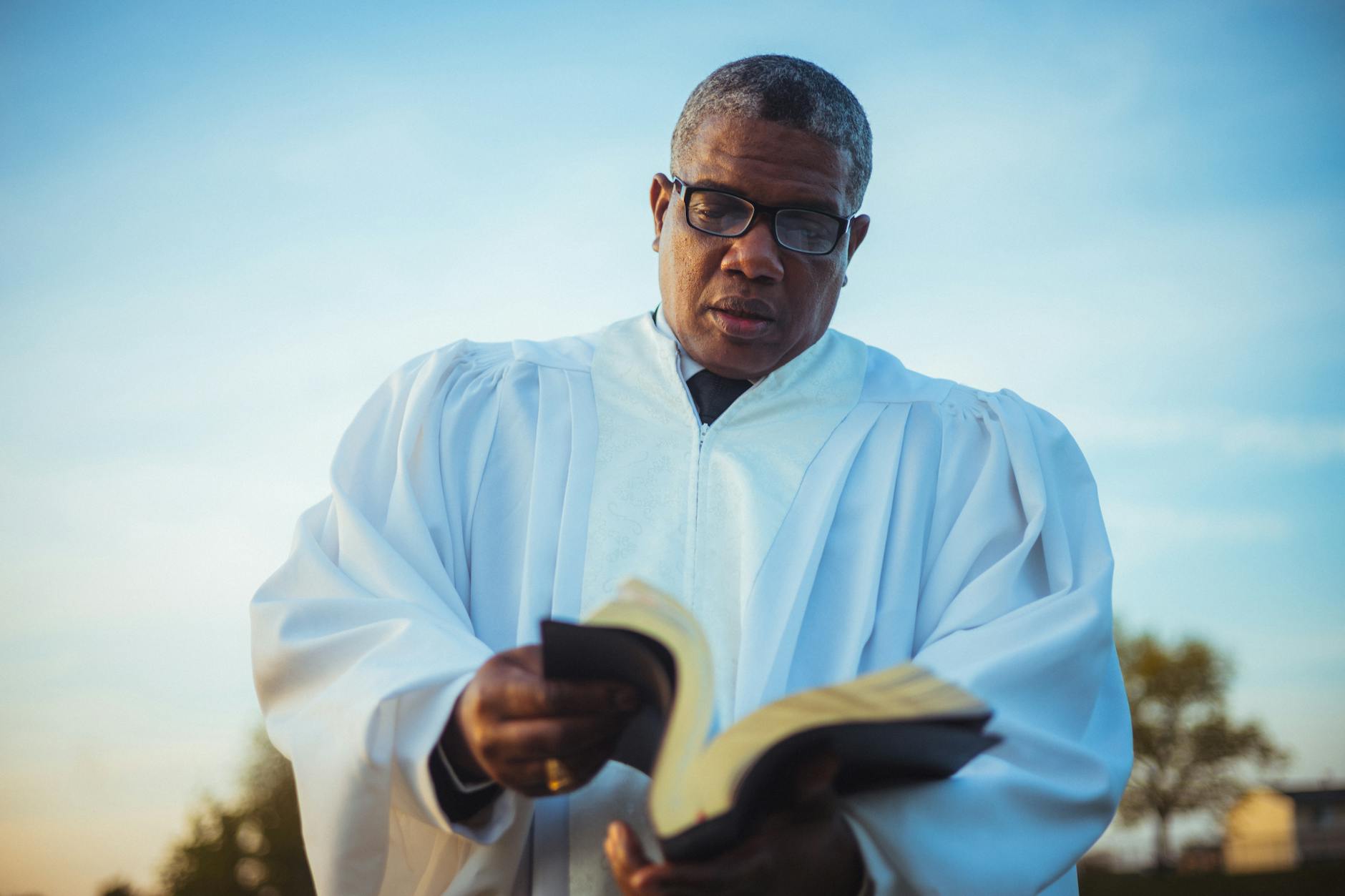
Is ministry just a job, or something more? For those who serve in church leadership, the answer is clear: it’s a profound, life-altering biblical call. This divine summons isn’t just a career choice; it’s God inviting an individual into a reconciled relationship with Him, followed by a specific mandate to serve. Understanding this concept is crucial for anyone considering church leadership or seeking to affirm their own path.
What is the Biblical Call to Ministry?
A biblical call to ministry is a divine summons to serve God in a specific leadership role within the church. While every Christian is called to serve (their primary calling is to reconciliation with God), not every believer is called to a public, formal ministry role.
This call typically manifests as a powerful, internal compulsion or feeling, burning in the soul that motivates individuals to completely change their life’s direction and pursue dedicated ministry training. It provides a deep well of encouragement and sustenance, especially when the work gets challenging.
Connecting to Biblical Tradition
Contemporary ministers aren’t operating in a vacuum; their call connects them directly to the biblical tradition of prophets and apostles. Figures like Moses, Isaiah, and Paul were chosen by God to become divine instruments—individuals selected to:
- Teach God’s Word.
- Lead His people.
- Encourage the community of faith.
In essence, the call is a tangible expression of God’s will for a person to preach the gospel. It is communicated through the enlightenment of the individual’s conscience and understanding, and is always confirmed by Christian brethren and guided strictly by biblical principles.
Discerning the Call: Character and Competence
The reality of the call is affirmed through a discerning process that evaluates a potential minister on several key levels:
| Area of Discernment | Description |
| Personal Wholeness & Virtue | Evaluating the candidate’s character, integrity, and spiritual maturity. |
| Competence | Assessing the individual’s ability to handle ministry tasks effectively. |
| Biblical Ideal | Requiring the candidate to exemplify love for people, the church, and essential pastoral tasks like preaching, teaching, and counseling. |
This rigorous process ultimately confers ministerial authority—the spiritual and official right to lead—and serves as a source of strength during turbulent times.
The Call’s Mandate: Love and Task
It’s vital to remember that the call to formal ministry is not superior to any other Christian calling (e.g., the call to be a godly parent, a righteous business owner, or a faithful friend). All callings are honorable when done for God’s glory.
However, the ministry call demands that leaders exemplify the highest biblical ideals. They must demonstrate:
- Profound love for people.
- Unwavering love for the Church.
- Commitment to essential pastoral tasks: preaching, teaching, and healing (spiritual, emotional, and sometimes physical).
If you feel this internal summons, pursue confirmation, training, and accountability. The biblical call to ministry is the most humbling, demanding, and rewarding path a servant of Christ can take.
Are you currently discerning a call to ministry? Share your thoughts and questions in the comments below!





1 Corinthians 12:12–27 (ESV) 12 For just as the body is one and has many members, and all the members…
Interesting topic but with some debate. Yes, God gifted us with the amazing gift of Grace, but I feel that…
Interesting topic but with some debate. Yes, God gifted us with the amazing gift of Grace, but I feel that…
There will be several teachings on Matthew is there a certain verse you question?
Great summary. Would you also be willing to add that Matthew’s Gospel is also a challenge for believers as Jesus…